Mastering Stuffed Bell Peppers: Essential Tips for Perfect Texture
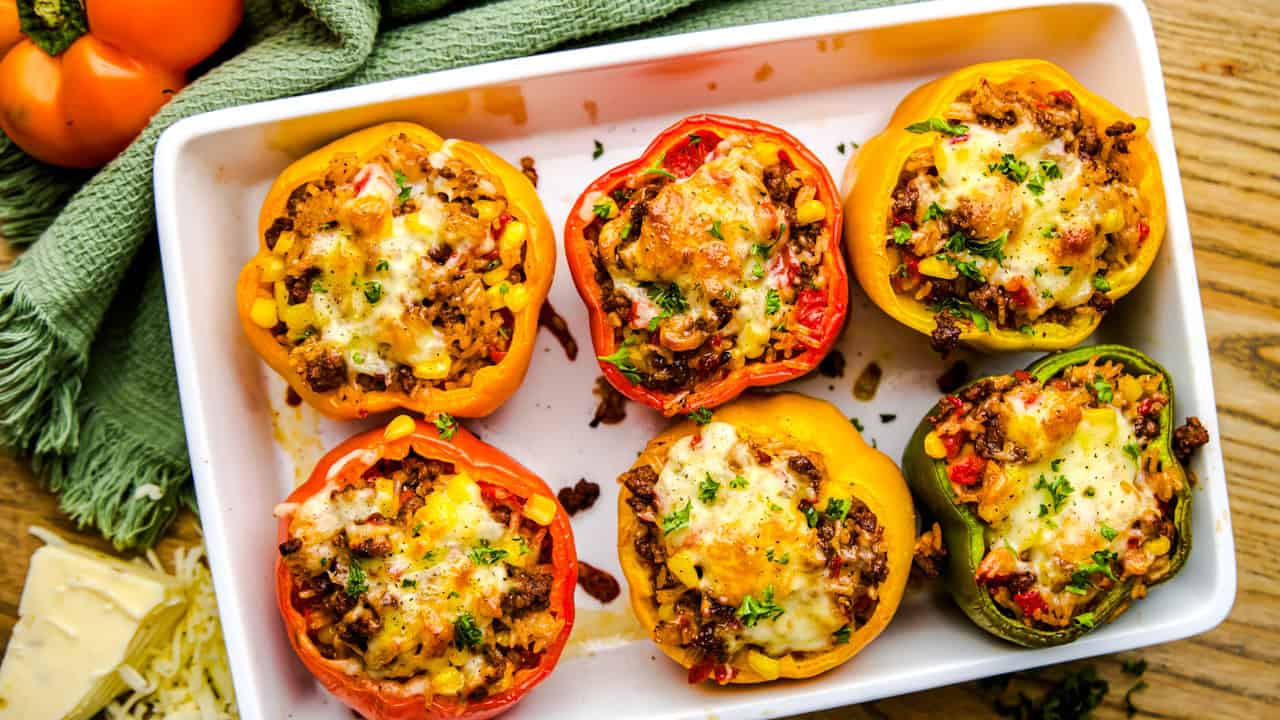
Stuffed bell peppers are a timeless culinary delight, offering a wholesome, satisfying meal that's as versatile as it is delicious. Imagine vibrant, tender peppers brimming with a hearty, flavorful filling of seasoned ground meat, fluffy rice, rich tomatoes, and melted cheese, all baked to perfection. It's a dish that evokes comfort and homemade goodness, simple enough for a weeknight yet impressive enough for company. However, achieving that truly perfect texture – a bell pepper that's tender but not mushy, and a filling that's moist and cohesive, never dry or soupy – can sometimes feel like a culinary challenge.
Many home cooks face common pitfalls: peppers that remain stubbornly firm, rice that's still chalky in the center, or fillings that crumble rather than hold together. This comprehensive guide will unlock the secrets to consistently impeccable stuffed bell peppers, focusing on essential techniques to master every element's texture. Say goodbye to guesswork and hello to a dish that consistently delivers on its promise of deliciousness and perfect mouthfeel.
The Foundation: Achieving Perfectly Tender Bell Peppers
The star of the show, the bell pepper itself, needs to be cooked just right. A common complaint is biting into a stuffed pepper only to find the walls are still too firm, lacking that desired soft, melt-in-your-mouth tenderness. The key to avoiding this lies in a crucial preparatory step:
pre-roasting the empty peppers.
*
Why Pre-Roasting Works: Bell peppers, especially the thicker-walled varieties, require time to soften. Roasting them empty for about 20 minutes before stuffing jumpstarts this process. The dry heat begins to break down their cellular structure, ensuring they become beautifully tender during the final bake, absorbing the flavors of the filling without overcooking it. Skipping this step often results in peppers that are still slightly firm, detracting from the overall texture experience.
*
How to Pre-Roast: Halve your bell peppers lengthwise, remove the seeds and membranes. Place them cut-side up on a baking sheet, optionally drizzling with a touch of olive oil and a sprinkle of salt and pepper. Roast in a preheated oven (around 375°F or 190°C) for approximately 15-20 minutes, or until they just begin to soften and show a little color. This head start is invaluable.
*
Choosing Your Peppers: While all bell peppers offer a similar mild heat, their sweetness varies. Red peppers are the sweetest, followed by orange, then yellow, with green being the least sweet and most earthy. This choice primarily affects flavor, but all varieties benefit from pre-roasting for optimal tenderness. Aim for peppers of similar size for even cooking.
Crafting the Ideal Filling: Rice, Meat, and Moisture Mastery
The filling is the heart of your stuffed bell peppers, and its texture is just as critical. A perfect filling is hearty, flavorful, and moist enough to bind together without being soupy or dry.
*
The Role of Rice: One of the most common filling components, rice, demands careful attention. The reference context emphasizes that the rice should be
fully cooked and tender before you stuff the peppers. If the rice is still firm or chalky, it will not finish cooking properly in the oven, leading to an unpleasant, grainy texture in your final dish.
*
Cooking Method: While some recipes boast a "one-pan" method where rice cooks from raw within the pepper, for consistent texture, par-cooking or fully cooking your rice separately before mixing it into the filling is a more reliable approach. This ensures every grain is perfectly tender and hydrated. Alternatively, if following a recipe that cooks the rice within the meat mixture, ensure it simmers long enough to be fully tender before stuffing. This approach allows the rice to absorb all those rich, savory juices, making for an incredibly flavorful core.
*
Rice Varieties: Long-grain white rice is a popular choice for its neutral flavor, but brown rice or even quinoa can be used for added nutrition. Just remember that brown rice and quinoa require longer cooking times and often more liquid.
*
Ground Meat and Seasoning: Ground beef is a classic choice, but don't limit yourself! Ground Italian sausage, turkey, or chicken are excellent alternatives for varying flavor profiles or for leaner options. Always brown your meat thoroughly, breaking it apart as it cooks, and drain any excess fat before adding other ingredients. This step builds a foundational layer of flavor and prevents the filling from becoming greasy.
* Robust seasoning is paramount. Combine your browned meat with diced tomatoes, onions, garlic, and a blend of savory spices and herbs (paprika, oregano, thyme, a dash of Worcestershire sauce are excellent starting points). This mixture, when simmered, creates the "thick, glossy, and easy to scoop" consistency you're looking for, holding together beautifully in a mound. This careful balance ensures the peppers stay juicy and the filling doesn’t fall apart after baking. For more ideas on different meat and grain combinations, and how to adapt your filling for various dietary preferences or flavor profiles, explore our
Stuffed Bell Pepper Guide: Customize Fillings & Flavor Variations.
*
Moisture Balance: The filling should be moist and cohesive, not dry and crumbly, nor soupy. Achieve this by allowing the mixture to simmer until most of the liquid has been absorbed or evaporated, leaving a thick, saucy consistency that binds the ingredients. If it feels too dry, a splash of broth or tomato sauce can help; if too wet, continue simmering gently.
Assembly & Baking: Ensuring Evenness and Cohesion
Once your peppers are pre-roasted and your filling is perfected, the final steps of assembly and baking are crucial for bringing everything together into a harmonious dish.
*
Stuffing Techniques: Gently but firmly scoop the prepared filling into each pre-roasted bell pepper half. Avoid overstuffing, as this can lead to uneven cooking and spillage. The goal is a generous, mounded filling that remains contained within the pepper shell.
*
Choosing the Right Baking Dish: This is a surprisingly important detail for structural integrity.
Use a snug baking dish where the peppers fit closely together without being overcrowded. This ingenious tip prevents the peppers from tipping over during baking, ensuring the filling stays contained and the peppers cook evenly. A deeper dish can also help support taller peppers.
*
The Cheesy Crown: A classic finishing touch is a layer of melted cheese. Cheddar, mozzarella, or pepper jack (as mentioned in the reference for a spicier kick) are all fantastic choices. Add the cheese about 10-15 minutes before the end of the baking time to ensure it melts beautifully and browns without burning.
*
Baking Temperature and Time: Place your stuffed peppers in the preheated oven (typically 375°F or 190°C). Depending on how tender your peppers were pre-roasted and how hot your filling is, bake for approximately 20-30 minutes, or until the filling is heated through, the peppers are fork-tender, and the cheese is bubbly and lightly golden. For some recipes, covering the dish with foil for the first part of baking helps steam the peppers and keep the filling moist, uncovering later to brown the cheese.
Elevating Your Stuffed Bell Peppers: Flavor and Efficiency
Beyond the fundamental texture tips, a few extra considerations can elevate your stuffed bell peppers from good to extraordinary, all while maintaining efficiency.
*
Flavor Boosters: Don't be shy with fresh herbs after baking – a sprinkle of chopped parsley, cilantro, or basil can brighten the flavors. A dollop of sour cream or Greek yogurt, a drizzle of hot sauce, or a sprinkle of red pepper flakes can also add a delightful contrast and depth.
*
Make-Ahead Magic: Stuffed bell peppers are excellent candidates for meal prep. The filling can often be prepared a day or two in advance and stored in the refrigerator. You can even assemble the entire dish (without the cheese topping) and refrigerate it, then add the cheese and bake just before serving.
*
Streamlined Cooking: While our focus here has been on ensuring perfect texture through specific steps like pre-roasting, some clever recipes offer a truly streamlined approach to minimize dishes without compromising flavor. For a comprehensive, step-by-step guide to a truly efficient one-pan recipe that minimizes dishes and maximizes flavor, be sure to check out our
Quick & Easy Stuffed Bell Peppers: One-Pan Weeknight Dinner.
By focusing on these essential tips – from the crucial pre-roast for tender peppers to achieving a perfectly moist and cohesive filling, and ensuring proper support during baking – you'll consistently create stuffed bell peppers with an unbeatable texture. This isn't just about following a recipe; it's about understanding the science and technique behind a truly satisfying meal. Embrace these strategies, and transform a beloved classic into a culinary masterpiece that will impress every time.